
Lifestyle
Home is not architecture. It is the accumulation of small decisions that signal to a space: I am here, and I intend to stay.
I have moved nine times in fifteen years. Each time, the same problem: standing in a new place — with its wrong light, its previous inhabitants' paint colours, its unfamiliar sounds — and wondering how long it would take to feel like mine. The answer, I have discovered, has nothing to do with the quality of the space and everything to do with the speed at which you make it yours.
The things that make a space feel like home are, with a few exceptions, not expensive or architectural. They are relational: the relationship between you and the space, expressed through small acts of claiming it. Unpacking your books in the first week. Buying one flower from the market and putting it on the table. Making the bed in a way that reflects your preferences rather than the way the previous occupant made it.
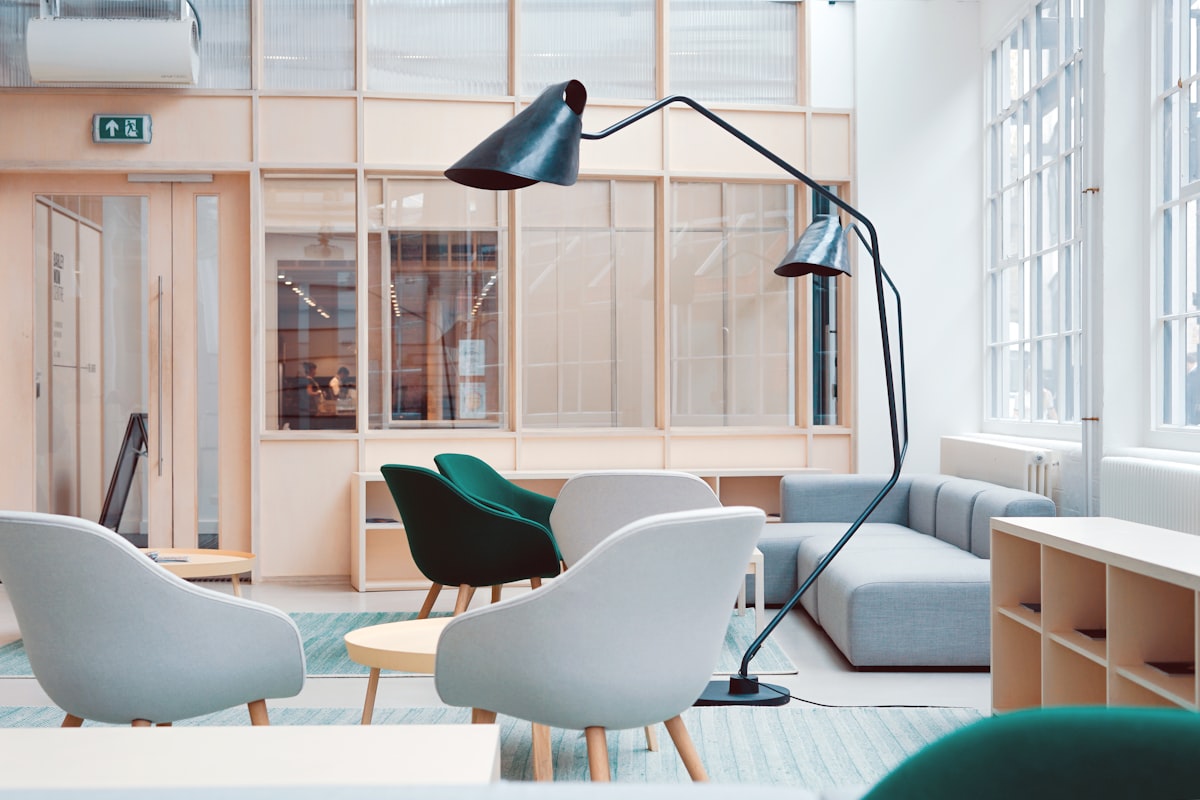
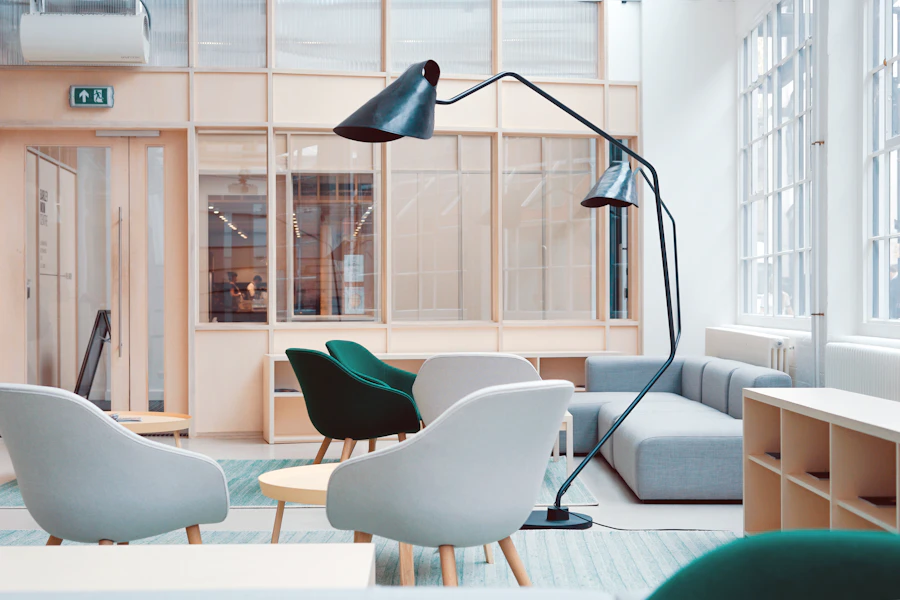
Light is the first priority. A harsh overhead bulb makes any space feel transient. Two or three lamps — one near the reading chair, one on a surface, one somewhere that illuminates without pointing at you — transform the quality of an evening in a new space. This investment costs little and changes everything about how a room feels after dark.
A space feels like home when it bears the evidence of your life being lived in it: the books you are reading, the coffee cup on the windowsill, the coat hung rather than packed.

The second priority: smell. A space that smells of nothing feels unoccupied. A space with a consistent, pleasant scent — a candle, a diffuser, the smell of food being prepared — feels inhabited. This is not interior design; it is sensory memory being written in real time.
The third: the objects you arrange not for display but for use. The books stacked because you are in the middle of them. The cup you always use, washed and ready. The small domestic proofs of a life in progress. These are the things that make a space a home, and they require only that you arrive and begin.
Among the things that make a space feel inhabited, a few categories do disproportionate work. Books, first — not because everyone reads or should, but because a shelf of books is the most immediate evidence of a mind at work in a space. They indicate taste, history, interest. They change how the wall reads. An apartment without books is not incomplete, but it is harder to read as a person's space rather than a generic one. Even a small collection — twenty books well chosen and honestly represented — changes the atmosphere of a room more than a piece of furniture twice their price.
Plants, second — specifically plants that are growing, which means plants that are correctly placed and adequately watered. A dying plant is worse than no plant. A thriving one creates a quality of life in a room that no object can replicate, because it is actually alive, and the presence of something living and unhurried in an interior changes the register of everything around it. The right plant for the space and the light level is more important than the aesthetic of the pot. A healthy plant in a terracotta pot outperforms a dying one in hand-thrown ceramic.
Textiles, third. The first place I look when I enter a space that is not working is at the window treatment and the floor. Bare windows and bare floors are not wrong, but they create an echo and a hardness that is difficult to compensate for with furniture. A rug — particularly one with warmth and weight, not a thin printed rectangle — grounds a room in a way that nothing else does. Curtains or blinds that reach from ceiling to floor make the ceiling higher and the room wider. These are interventions that can be done cheaply and reversed easily, and their effect is immediate.
Every home has a smell, and the smell of a home is one of the most powerful components of how it feels to arrive in it. This is not primarily about candles or diffusers, though those are relevant. It is about the underlying smell of the space — whether it is ventilated adequately, whether the fabrics have been washed recently, whether cooking smells accumulate or dissipate, whether the air has the dryness of a space that is heated too aggressively or the slight freshness of a space with adequate humidity.
Opening the windows for twenty minutes each morning — even in winter, briefly — is the most effective thing you can do for the smell of a home. It is not romantic advice. It is practical: the air exchange removes moisture, cooking residue, and the general accumulation of a closed space overnight. The home that is aired daily smells like a home rather than like accumulated living, and the distinction is one that anyone who enters the space will register without necessarily being able to name.
Light a candle in the late afternoon, when the day's light is going and the room needs an anchor. This is not primarily about fragrance — though fragrance is relevant — but about the quality of the light and the signal that the candle sends: the day is ending, the evening is beginning, this is the hour of rest rather than activity. The candle as temporal marker, as the small ritual that divides the working day from the evening, is more useful than the candle as perfume delivery system. Use an unscented one if the fragrance questions are complicated. The light is what matters.
※ End of article

※ More in Lifestyle

