
Lifestyle
A reading journal is not a summary tool. It is a method for taking books seriously enough to let them change you.

I started keeping a reading journal because I was forgetting everything I read. Not the plot — though often that too — but the ideas, the sentences, the specific observations that had made me pause and mark the page. I was reading a book a week and retaining almost nothing beyond a vague impression of having enjoyed it.

The journal changed this. Not because it imposed a system of note-taking that captured everything — it didn't — but because the act of writing about a book while reading it forces you to engage more actively with what you're reading. You can't write about an idea without holding it in your mind long enough to examine it. The journal is not a record of books; it is a method of reading.
I don't summarise. Summaries are available. What I write are the observations the book prompts: where I agree and where I don't, which ideas connect to other things I've read, what the book changes about how I see something. One or two sentences per section, a longer entry at the end when the book is finished. The entries from five years ago are a record of who I was then — which I find more interesting than any summary could be.
The book you have read carefully is the book that changes you. The book you have only read is the book you will forget.
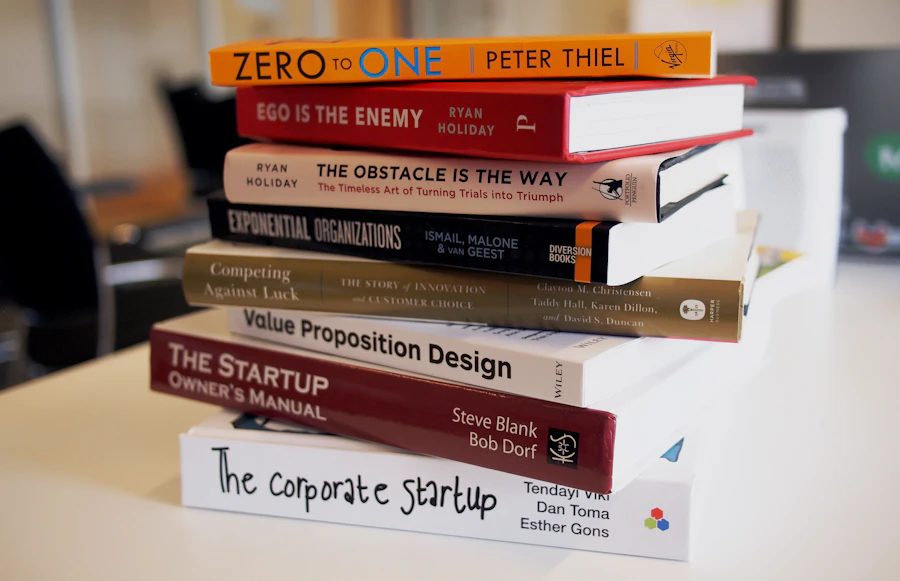
The second benefit I didn't anticipate: the journal makes you more selective. When you know you will write about a book, you think more carefully about whether to start it. The reading list gets more intentional. You read less and understand more. This, in the end, is what reading is for.
The reading journal does not need to be a review, a summary, or a record of what you thought about a book for anyone else's consumption. The most useful reading journals are private in the fullest sense: written for the reader alone, in whatever form is actually useful rather than whatever form would look good. This might mean a single sentence that captures what the book gave you. It might mean two pages of response to a chapter that changed how you thought about something. It might mean a list of passages that stopped you — quoted or paraphrased, with or without the page numbers that you are unlikely to need later.
The passages are the most valuable part. Books, even the ones that change you, become compressed in memory — you retain the emotional register, the argument, a few vivid images, and very little of the specific language that created them. A reading journal that preserves specific language preserves what books are actually made of. The sentence that arrested you on page 184 is accessible three years later if you copied it. It is inaccessible if you relied on memory. Memory is not adequate for the best things in prose.
Date the entries. Not obsessively — you do not need to record what you read on which day — but to indicate the year. A reading journal that has been kept for five years tells a story that has no other record: what you were thinking about when you were thirty-one, which writers arrived at which point, which books you returned to and which you moved away from. The journal as long-term document is different from the journal as current-reading companion, but both emerge from the same practice if the practice is maintained.
The reading journal changes the pace of reading in a way that is, after an initial adjustment, entirely welcome. A reader who pauses to note a passage reads more slowly — but reads more attentively, and retains more, and arrives at the end of a book with a different relationship to it than the reader who moved through at speed. The speed reader has experienced the book. The slow reader has inhabited it.
Reading slowly is not easy in a culture that treats the number of books read per year as a meaningful metric. It is not. A book read once quickly and largely forgotten contributes less to the reader than a book read slowly and carried. The re-read contributes more than either, because re-reading a good book at different ages reveals the book changing — which is not what is happening, but which is the best description of what the reader experiences. You were not ready for the last chapter at twenty-four. At thirty-seven it means something entirely different. The reading journal preserves who you were for each reading.
The practice requires almost nothing. A notebook, a pen, ten minutes at the end of each reading session. The only difficulty is beginning, and the only advice that matters is: begin badly. The first entries in any reading journal are self-conscious and effortful and not particularly useful. The entries at six months are the ones that develop into something. The entries at two years are the ones you will return to. Nothing about this happens except through time, and the only way to have the entries at two years is to write the ones at the beginning first.
※ End of article

※ More in Lifestyle

