
Style
In a world of fast fashion and endless options, the single best wardrobe decision you can make is also the simplest one.

There is a particular satisfaction that comes from putting on a coat you truly love. Not one you bought because it was on sale, or because it would "do for now," but one you saved for, deliberated over, and chose with full intention. I have owned such a coat — a charcoal wool melton, double-breasted, cut to fall just below the knee — for eleven years. It has outlasted three apartments, two jobs, and approximately forty impulse purchases I no longer own.
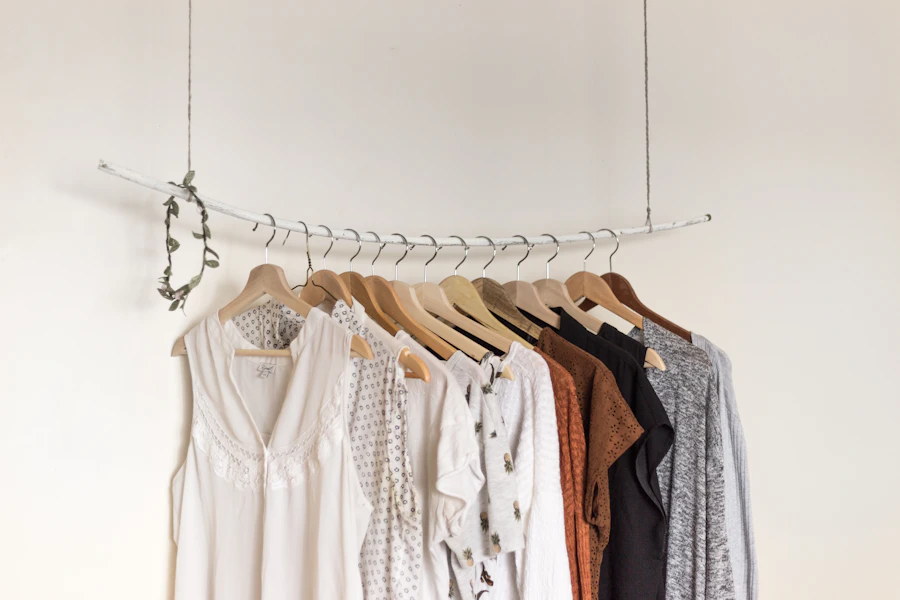
The fashion industry profits from the idea that you need many coats. A puffer for weekends, a trench for autumn, a blazer-coat hybrid for the office, something shearling-lined for deep winter. The result is a wardrobe full of mediocre options and no single one that genuinely delights you. The alternative — and it requires discipline — is to buy less, and buy better.
A coat worth buying has three qualities: it fits you precisely, it is made from a material that will improve with age, and it works across the widest possible range of occasions in your life. That third criterion is the one most people skip when shopping. We try on the coat, admire it in the mirror, and forget to ask where, specifically, we will wear it. If the honest answer is "special occasions only," put it back.
The difference between a coat you love and a coat you wear is the difference between an aspiration and a life actually lived.
Wool is the right material for most coats, for most women, in most climates. It breathes, it recovers from creasing, it ages with dignity. A weight of 600–800 grams per linear metre is what separates a coat that will last a decade from one that goes limp by spring. Check the lining too — a silk or satin lining slides over clothing without catching, and it tells you something about how much the maker cared.

The colours worth investing in are camel, charcoal, navy, and black — in that order of versatility. Camel is the one people always get wrong; they buy it in a synthetic that yellows, when camel in proper wool is one of the most elegant things you can own. If you can only buy one, buy camel.
The coat you are looking for exists. It may require patience, saving, and the willingness to walk away from things that are almost right. Almost right is the enemy of the wardrobe. Wait for exactly right.
An investment coat demands investment care. This is not as onerous as it sounds, but it does mean thinking about maintenance before a problem develops rather than after. A cashmere or wool coat should be brushed after every wear with a natural-bristle clothes brush — not because it is dirty but because brushing lifts the fibres, removes surface debris, and prevents the matting that makes quality fabric look tired. The brush is the most underrated tool in the wardrobe. It costs twelve pounds and extends the life of a coat by years.
Dry cleaning should be rare. Once a season at most, ideally less. Dry cleaning solvents are hard on natural fibres and repeated cleaning shortens the life of the lining and the surface. Spot-clean when possible. Air the coat thoroughly after each wear — five minutes on a hanger by an open window does more than most people realise. Store off-season in a breathable cotton garment bag, never plastic, with a cedar block rather than a mothball.
The hanger matters more than it seems. A coat hung on a wire hanger will develop shoulder divots within two seasons. A wide, shaped wooden hanger — the width of the actual shoulder seam — preserves the structure of a coat that was made to have structure. This is a three-pound investment that protects a three-hundred-pound one. It is the easiest possible calculation.
Almost no coat fits perfectly off the rail. Sleeves are standardised; bodies are not. A coat that fits beautifully across the shoulders and chest but has sleeves an inch too long is not a problem. It is a coat that needs a twenty-minute alteration that any tailor can perform for under thirty pounds. Sleeves too long, sleeves too short, a back vent that pulls — these are all correctable. A shoulder seam in the wrong place is not correctable without significant expense. When trying on a coat, the shoulder seam is the first thing to assess. Everything else is tailoring.
The length question is partly personal and partly architectural. A coat that grazes the knee has been shown, across decades of fashion photography, to be the most universally flattering length. It covers the widest part of most bodies. It provides enough coverage to be practical. It does not foreshorten the leg in the way that a mid-calf coat can. This is a guideline, not a rule — women are tall and short and everything between — but it is a guideline grounded in proportion rather than trend, and proportion endures.
The final thing to say about an investment coat is the simplest: wear it. The coat that is kept for special occasions develops no patina, acquires no character, and does the job of a coat for approximately forty days a year rather than one hundred and forty. A coat is not a display object. It is the thing you put on when you leave the house. Put it on. Let it earn what you paid for it.
※ End of article

※ More in Style

