
Style
Good shoes are the foundation of a good wardrobe. Here are the five that earn their place across every season.

Shoes are the part of the wardrobe where women most consistently under-invest. We spend serious money on coats and dresses, then buy shoes on sale, hoping they'll do. They rarely do. The shoe makes or breaks the outfit — a badly chosen pair can undermine a perfectly considered look, while the right pair can elevate something simple into something excellent.

The goal is not to own many shoes but to own the right shoes. Here, specifically, are the five that belong in every wardrobe — and why each one earns its place.
The loafer. Flat, leather, ideally with a slight platform for proportion. The loafer is the most versatile shoe in the wardrobe — it works with trousers, skirts, jeans, and dresses, in every season. A classic penny or horsebit loafer in black or tan is the one to buy first.
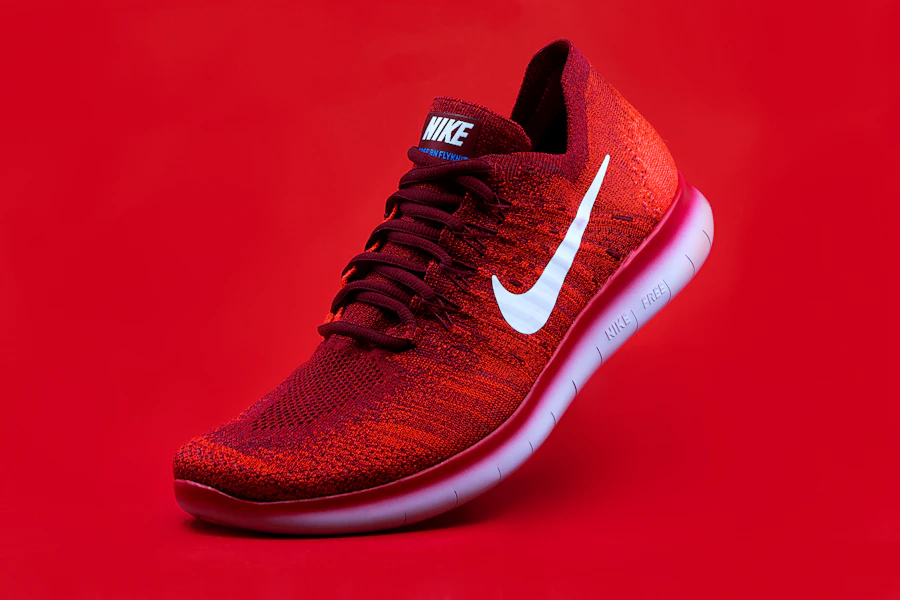
The clean trainer. Not a running shoe, not a fashion trainer, but a clean, simple leather or mesh sneaker. White is the obvious choice, but ivory or light grey ages better. This is the shoe you reach for when nothing else is quite right.
The block heel. The one heel in your wardrobe, if you are to own one. A block heel is genuinely wearable — stable enough to walk in properly, elevated enough to change the proportion of an outfit, classic enough to last years.
The flat boot. Knee-high or ankle — your choice — in leather, with a low heel or no heel at all. This is the autumn/winter shoe that everything depends on. Buy the best version you can afford; you will wear it constantly for four months of the year, every year.
The shoe that works with everything is not the neutral shoe. It is the shoe with the right structure, the right weight, the right proportion for the way you dress.
The sandal. Flat, strapped, leather. The sandal you can walk in, not just look at. Everything else in the warm-months wardrobe depends on whether this sandal is right — get this one right and summer dressing becomes effortless.
Before any discussion of style, there is the question of construction — specifically, the difference between a cemented sole and a Goodyear-welted one. Cemented soles are glued. When the sole wears through, the shoe is finished. Goodyear-welted soles are stitched through a welt to the upper, creating a construction that can be resoled indefinitely. A cobbler can replace the sole of a Goodyear-welted shoe for forty to sixty pounds and return it to original condition. That shoe, bought for three hundred pounds, costs a fraction of that per year of use across its potential twenty-year life.
The leather tells you the second thing. Full-grain leather — the outer surface of the hide, with the natural grain intact — will develop a patina over time, respond to polish, and become more beautiful with use. Corrected-grain leather has been sanded and refinished to remove imperfections. It resists polish and shows wear without developing character. Suede is full-grain leather with the nap raised and, properly maintained, is more durable than most people assume. Synthetic leather does not breathe, does not age, and does not reward the investment of care.
Shoes worth buying should be last-shaped — made over a three-dimensional form that represents a foot. A shoe that cramps the toes, that feels tight across the widest part of the foot, that requires breaking in before it is wearable: these are signs of poor last design, not signs that the shoe needs adjustment. A well-made shoe on a well-designed last is comfortable from the first wearing. The myth of break-in is largely the result of buying shoes that were never going to fit correctly in the first place.
Polish is not cosmetic. It is maintenance. The waxes and oils in a good shoe cream nourish the leather, keeping it supple and preventing the cracking that comes from dryness. Polish before the first wear and after every five or six wears, minimum. Use a horsehair brush to buff; use a cloth to apply cream. The process takes four minutes and extends the life of the shoe materially.
Cedar shoe trees are not optional for shoes you care about. They absorb moisture from the inside after wearing — the average foot produces up to a cup of perspiration per day, much of which is absorbed by the lining and the leather — and they preserve the shape of the toe box and heel counter. A shoe without a tree develops wrinkles and distortions over months that no polishing can reverse. Cedar trees last indefinitely and travel between shoes. Buy two pairs and rotate them through whatever you are wearing.
Rotate your shoes. Leather needs forty-eight hours to dry thoroughly between wearings. A shoe worn every day without rest ages at twice the rate of a shoe worn every other day. If you have invested in three pairs of good shoes rather than ten pairs of poor ones, rotating them requires nothing more than planning which you will wear on which day. The discipline is small; the return over a decade is significant. Good shoes, properly maintained, become companions rather than consumables — objects with a history that you carry with you every time you put them on.
※ End of article

※ More in Style

