
Travel
Marrakech is the most photographed city in the world, it sometimes feels. Go in March, leave the Jemaa el-Fna before noon, and you will find something quite different.
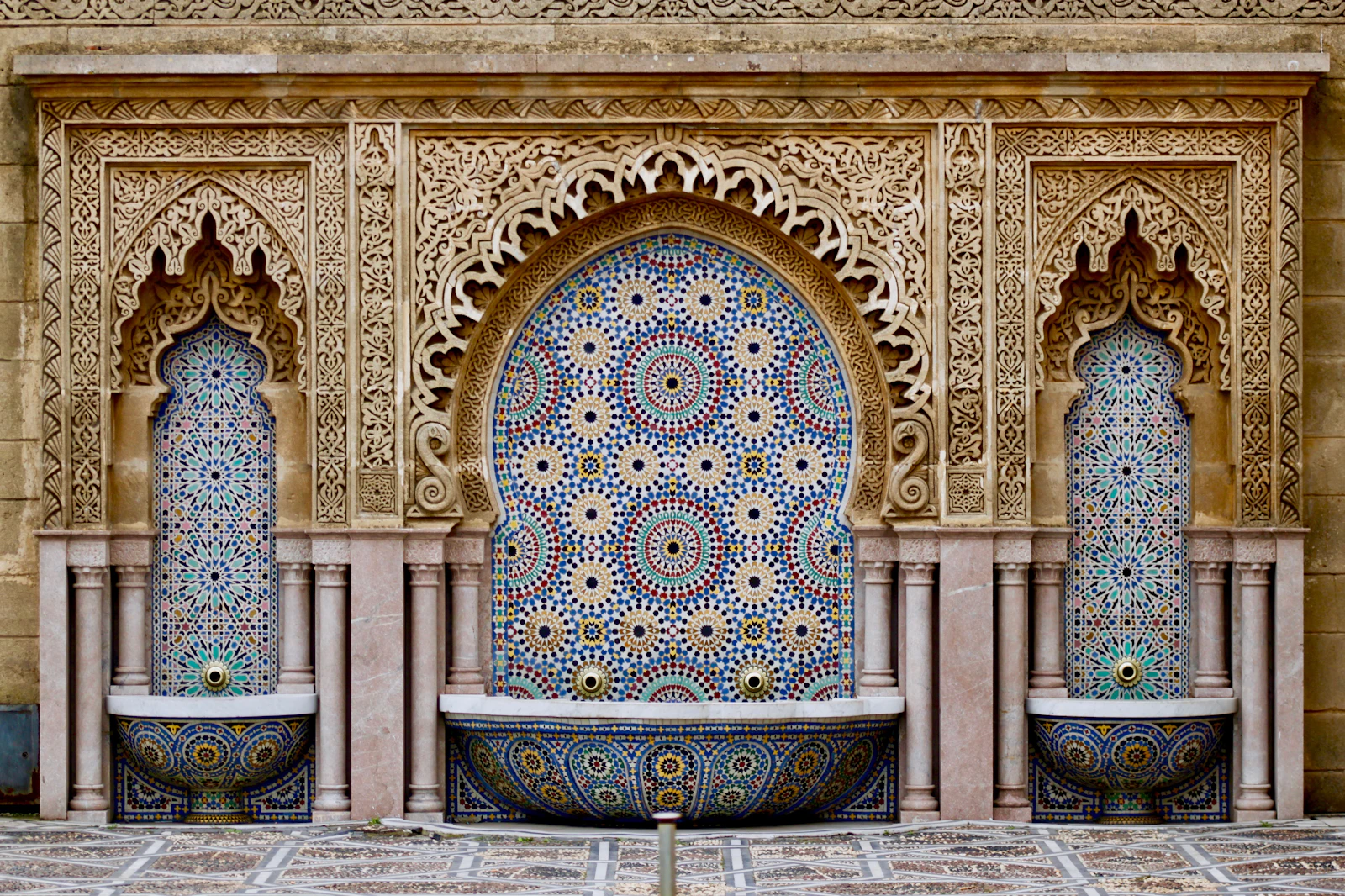
Every photograph of Marrakech is the same photograph. The pink walls. The scooters weaving through the souks. The tagines steaming on low flame. The rooftop pool with the Atlas Mountains in the distance. I had seen them all before I went, and I went anyway, because I had also been told — by a friend who visits every March with the regularity of a second home — that the photographs do not capture what makes it worth going.
She was right. What makes Marrakech worth going to has almost nothing to do with what is photographed.

The temperature in March sits between 18 and 24 degrees — cool enough to walk the medina without becoming entirely debilitated, warm enough that lunch on a rooftop terrace is genuinely pleasant. The light is extraordinary: direct but not flattening, casting the pink plaster in a warmth that the high summer sun bleaches out. The tourist density has not reached its peak. The gardens of the Majorelle are accessible without the crush that makes them nearly meaningless in July.
March also sits between the rains of February and the dry heat of April. The garden palms look alive. The fountains in the riads are running. The city is doing its best version of itself.
Leave the Jemaa el-Fna before the snake charmers set up. Walk north into the medina along the route the women use for morning shopping — the fruit stalls and the butchers and the man who sells nothing but dried herbs from a table the size of a newspaper. This part of the medina does not perform for visitors. It is simply happening, the way it has been happening for several hundred years.
The medina in the early morning belongs to its residents. Arrive early enough and you are a guest. Arrive late enough and you are a spectacle.

Leather: the leather goods in the medina range from exceptional to actively fraudulent, and the difference is detectable only by handling them. Good leather is soft and smells correctly. Pressed cardboard covered in paint does not. The old souk near the tanneries sells the former; the stalls nearest the main tourist squares are reliable sources of the latter.
Textiles: the wedding blankets, the handira, are the most beautiful things made in Morocco and among the most expensive if genuine. A real one takes months to make. You will know the difference. Pottery from Safi, brass lanterns from the Mellah quarter, argan oil from anywhere that is not a hotel gift shop — these are the things worth carrying home on a plane.
And the thing no one ever thinks to bring back: a recipe. Sit at a table long enough in any riad and someone will tell you how to make the preserved lemon chicken. Write it down. That is the souvenir that fits in your pocket and improves with time.
Marrakech is an excellent base for day trips that most visitors either do not know about or do not take because the city itself seems sufficient. The Ourika Valley, forty-five minutes south of the medina by grand taxi, is where the Atlas foothills begin — a valley of Berber villages running alongside a river, with walnut and fig trees and the specific quality of altitude air that is impossible to replicate in the city. Go on a weekday and you will share the valley with very few other visitors. The village of Setti Fatma at the valley's head has a waterfall worth the one-hour hike and a lunch of tagine at a plastic table beside the river that is among the most pleasant meals available in a forty-five-minute radius of Marrakech.
Essaouira, the blue-and-white walled port city on the Atlantic, is two and a half hours by bus or ninety minutes by taxi and operates as a different country from Marrakech in terms of atmosphere: cooler, windier, quieter, with a creative community that settled there in the 1960s and never left. The medina here is genuinely unvisited compared to Marrakech — you walk the souks without persistent direction, the crafts (particularly marquetry woodwork) are sold at prices that reflect actual value rather than an assessment of your negotiating willingness, and the seafood on the harbour is the best in Morocco. Stay a night if you can. Essaouira rewards overnight more than it rewards a day trip.
The Ouzoud Falls, three hours east, are among the best-known day trips from Marrakech and also genuinely worth the journey. A series of waterfalls dropping over three hundred metres into a gorge, surrounded by olive trees and barbary macaques that treat the tourists with the amiable tolerance of animals that have made a good bargain with humanity. Go in the morning, before the tour buses arrive. The light in the canyon before ten o'clock is extraordinary and the falls are yours in a way they will not be after noon.
The riad — the traditional courtyard house that has been converted, in vast quantities, into guesthouses — is both the most atmospheric and the most variable accommodation option in Marrakech. At its best it is a genuine immersion: a private courtyard with a fountain, rooms opening off a central space, breakfast on the terrace, a host who has been doing this for long enough to know which restaurant you should eat at tonight. At its worst it is a damp, dark room opening off a courtyard that is shared with thirty other guests and a booking system that manages noise and privacy less well than a standard hotel would.
The difference is almost entirely in the size and the booking source. Riads with fewer than twelve rooms have a quality control that larger ones cannot maintain. Booking directly rather than through large platforms removes the intermediary that buffers complaints and reduces the host's motivation to exceed expectations. Reading reviews that mention specific names — of hosts, of staff, of the breakfast — is more useful than reading reviews that mention the general vibe, which is a property of the building rather than of how it is run.
The best riads in Marrakech are not the most expensive or the most photographed. They are the ones run by people who live in the building, who know the medina the way residents know it rather than the way hospitality professionals present it, and who are willing to tell you where they eat and where they would not send their own guests. That last quality is rare and entirely worth seeking.
※ End of article

※ More in Travel

