
Travel
The Amalfi Coast is one of the most overrun stretches of coastline in the world. It is also genuinely, impossibly beautiful. The solution is timing.
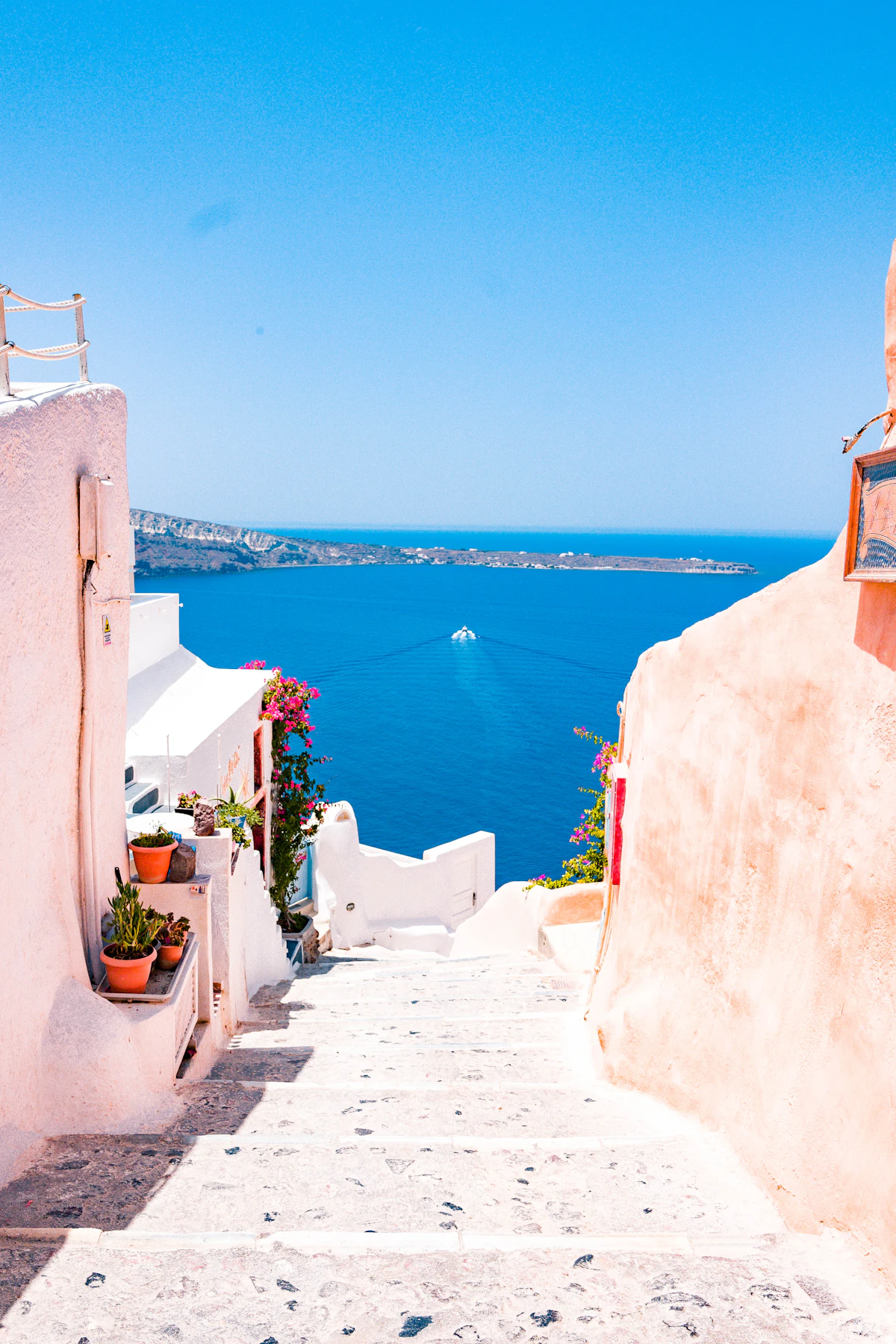
Positano in August is a negotiation between the beauty of the place and the number of people competing to access it. The buses are wedged on roads made for donkeys. The beaches are entirely full by 9am. The restaurants have waiting lists that stretch into the week after you've left. It is, in spite of everything, still Positano — which is still rather extraordinary — but you will spend more time managing the experience than having it.

May is the answer. Early June, at a stretch. The water is still cold in May but swimmable by the last week of it, the roads are navigable, and the restaurants have time for you. The light is extraordinary — cleaner than in summer, with a crispness that the heat dissolves by July. And the towns, stripped of the high-season performance they put on for visitors, are more clearly themselves.
Ravello instead of Amalfi town. Praiano instead of Positano. The path that runs along the coast between Praiano and Positano, past the Fiordo di Furore, which is one of the most beautiful walks on the Italian coast and is somehow not in the first five pages of any search result. The Vietri sul Mare ceramics at the eastern end of the drive, which will cost you less and reward you more than anything you could buy in the crowded shops of Positano.
Italy always has a version of itself that is not in the guidebook. The Amalfi Coast is no exception. You just have to look at it sideways.

Stay in Praiano if you can. It is half an hour from Positano by road and two decades removed from it in atmosphere: quieter, more local, less expensive, and better situated for sunrise over the water and sunset over the hills. The ferry to Positano runs every forty minutes. You have the best of both.
The Amalfi coast road is one of the most dramatic in Europe and also, in summer, one of the most congested. The correct way to move along the coast is by water. The ferry service connecting Salerno, Amalfi, Positano, and Sorrento runs reliably from April to October and offers the single best perspective on the coastline — the cliffs from the sea, the towns stacked implausibly against them, the scale of the whole thing that the road, pressed too close, cannot quite convey. Take the first ferry of the day from wherever you are staying. Arrive at your destination before the tour coaches.
The towns have hierarchies that most visitors do not discover until their second or third visit. Positano is the most photographed and the most expensive. Ravello, above the coast proper, is the most refined — the Villa Cimbrone and Villa Rufolo gardens have views that justify the climb, and the town retains a quiet that the coastal towns lose to their logistics by ten in the morning. Furore, almost unknown, sits in a gorge between the road and the sea and consists of about thirty houses, a tiny fishing harbour reachable only on foot, and a quality of stillness that is remarkable on a coast this famous. Go there on a Tuesday in May and it will be yours.
Praiano sits between Positano and Amalfi on the main road, and its accommodation is significantly less expensive than either for equivalent quality. Its beach — the Marina di Praia, a small inlet with fishing boats and one very good restaurant — is twenty steps down from the main road and is still largely unknown to those who have not been directed there. The evening meal at the restaurant on the left side of the beach, eating grilled fish with the lights of the coast reflected in the water, is the Amalfi experience reduced to its essential.
The food of the Campania region is among the most ingredient-specific in Italy — meaning that the quality depends almost entirely on what was grown and caught locally rather than on technique. The mozzarella di bufala made in the plain behind the coast is a different product from mozzarella made anywhere else: softer, wetter, with a mild sourness that disappears when you travel fifty kilometres north. Eat it daily. Eat it at room temperature, with a drizzle of local oil and nothing else. Respect the ingredient.
The lemons of the Amalfi coast are the most extraordinary lemons in the world. This is not hyperbole. The sfusato amalfitano variety is grown on terraces up the cliff faces in conditions that produce a fruit of unusual size, thin skin, and intense flavour. It appears in the limoncello, in the pasta al limone, in the granita that is the correct thing to eat at midday when it is thirty-two degrees and you are sitting on a terrace above the sea. The granita is shaved ice and fresh lemon juice and sugar and nothing else. It costs three euros. It is perfect.
Leave one full day with no plan other than to walk. The Sentiero degli Dei — the Path of the Gods — runs along the ridge above the coast from Agerola to Nocelle, with views down to the sea on one side and up to the peaks on the other. It takes four hours at a moderate pace. The path is not difficult but it is sustained; wear proper shoes and carry water. At the end, descend to Positano on the steep steps and reward yourself with a swim at the beach and whatever the restaurant above it is making for lunch. This is the day that makes the Amalfi coast worth the crowds that brought you here.
※ End of article

※ More in Travel

