
Travel
Provence in the off-season is a different country from Provence in July. Smaller, more honest, more itself.

The thing about Provence in July is that you are sharing it with everyone who has ever read Peter Mayle or wanted to. The lavender fields are full of photographers. The village squares are full of tourists eating mediocre food at tables that face each other rather than the view. The roads are slow. The rosé is marked up. It is, despite everything, still beautiful — but it is beautiful in the way of a thing that knows it is being looked at.
April and October are the months. The light is lower and more golden, the air has a clarity it loses in summer heat, and the villages — les Baux, Gordes, Bonnieux, Ménerbes — are quiet enough to hear themselves. The restaurants are open but not full. The hotel rates are a third of their summer peak. The region gives you room to actually experience it.
Ménerbes is the ideal base for a first visit: small enough to feel like a village, with a remarkable Tuesday morning market and enough restaurants to eat very well every evening without repeating. The surrounding landscape of the Luberon provides a week of walks with views that are not diminished by repetition.
The Provence worth going to is not the one on the wine label. It is the one where you arrive at a farmhouse as the light is turning gold and there is bread on the table and nowhere else to be.
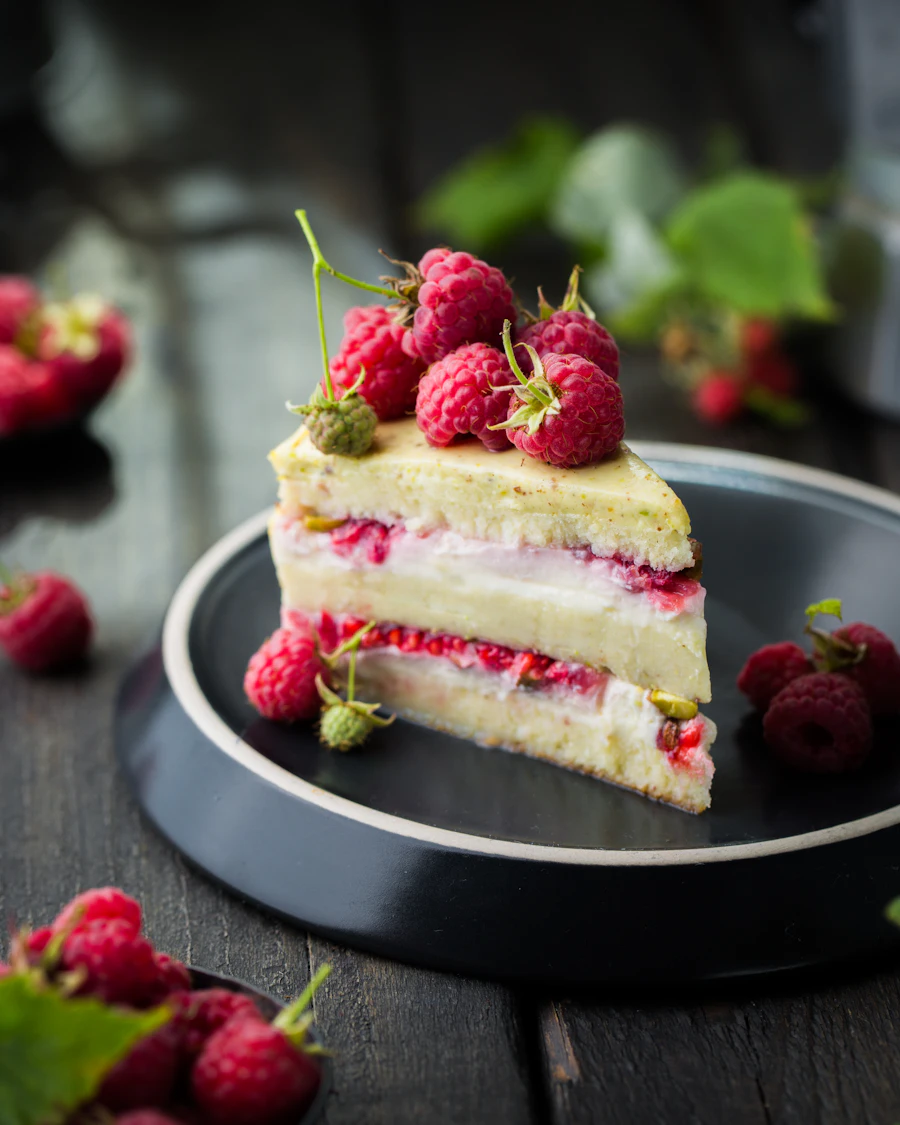
What to eat: tapenade on good bread while you wait for anything else. Aïoli on a Friday. Cheese from the market that you eat in the car because you cannot wait. The lamb when it is on the menu. The rosé — yes, the rosé — which is lighter and more mineral in the off-season, when the menus have not been engineered for maximum tourist throughput.
Drive slowly. Take the D roads rather than the N roads. Stop when something catches your eye through the window, because whatever it is will be worth stopping for.
The Luberon range runs east to west across the southern part of the region, and the villages along its northern and southern flanks have a quality that the more famous hilltop towns — Gordes, Les Baux — have partially lost to their own reputations. Lourmarin, at the southern end, is where Albert Camus is buried in the village cemetery, and the village around the cemetery is one of the most functional and least performative in Provence: a good market, a good bookshop, restaurants that feed locals as well as visitors. Drive from there east along the D27 to Cucuron, where the plane trees shade a large basin of water in the centre of the village and the cafés set out chairs beneath them and time genuinely seems to move at a different rate.
The Alpilles, west of the Luberon, are a different landscape — smaller, limestone-white, dotted with olive groves that have been here since the Romans. Les Baux sits on top of them with extraordinary views and extraordinary crowds; Saint-Rémy-de-Provence at their foot is more liveable, with a Saturday market that sells the best olive oil in the region and a productive connection to Van Gogh's time here that makes the landscape feel inhabited by his colour in a way that the Arles connection somehow does not.
The drive between Saint-Rémy and Arles along the D99 passes through the Camargue approaches and is worth taking slowly, stopping once to get out and stand in the flat scrub that extends to the horizon in every direction. Provence is not all hilltop villages and lavender. The Camargue is also Provence — wide, flat, wild, populated by white horses and pink flamingos and a sky that has nothing to stop it. The contrast with the enclosed, shaded village squares makes each more itself.
The Provence market is one of the most reliable institutions in French regional life. Every town has one, typically on a fixed morning of the week, and the best ones — L'Isle-sur-la-Sorgue on Sunday, Apt on Saturday, Vaison-la-Romaine on Tuesday — draw producers from the whole surrounding area. This is where you understand what the food here actually tastes like before it travels: the melons from Cavaillon that are a different fruit from the melons anywhere else, the olives cured in the local way, the honey made from the lavender you have been driving past for three days.
Go early. The best stalls, and the best prices, are at the beginning of the market rather than the end. Go with a bag, not a shopping list. The market will tell you what to buy. A kilo of tomatoes that smell like a field in July. A wedge of cheese that the vendor cuts from a wheel and wraps in paper. Bread from the baker who sells from his van at the corner. These are the supplies for a lunch eaten in the shade of an olive tree on the way to the next village, which is the correct Provence meal in July.
Lavender season runs from late June to mid-August. The fields of the Plateau de Valensole, southeast of Manosque, are as extraordinary as their reputation. The colour, in person, is not the digital purple of the photographs. It is softer, with a warmth from the dry heat and the limestone soil, and the smell is the smell of every product made from it but without the sweetness — clean and medicinal and dry. Drive through in the early morning when the light is low and there is dew on the flowers. Come back in the late afternoon when the shadows are long. Both are different and both are worth the drive.
※ End of article

※ More in Travel

