
Travel
Cherry blossom season in Tokyo is as beautiful as every photograph suggests and simultaneously the most logistically demanding ten days in the Japanese calendar. Here is how to navigate both.

The sakura forecast is published weeks in advance and followed with the intensity of a weather emergency. The Japan Meteorological Corporation releases bloom predictions for every major cherry tree site in the country; the forecasts are updated weekly as the season approaches and daily once the first blooms open. This is not eccentricity. It is a rational response to a phenomenon of extraordinary beauty that lasts, in any given location, between seven and fourteen days. You have to know when to be there.
I arrived in Tokyo on the third day of peak bloom in Shinjuku Gyoen and left on the ninth, which was already past peak in most of the central parks. In those six days I understood both why millions of people travel specifically for this and why nobody who has done it once does it the same way twice.
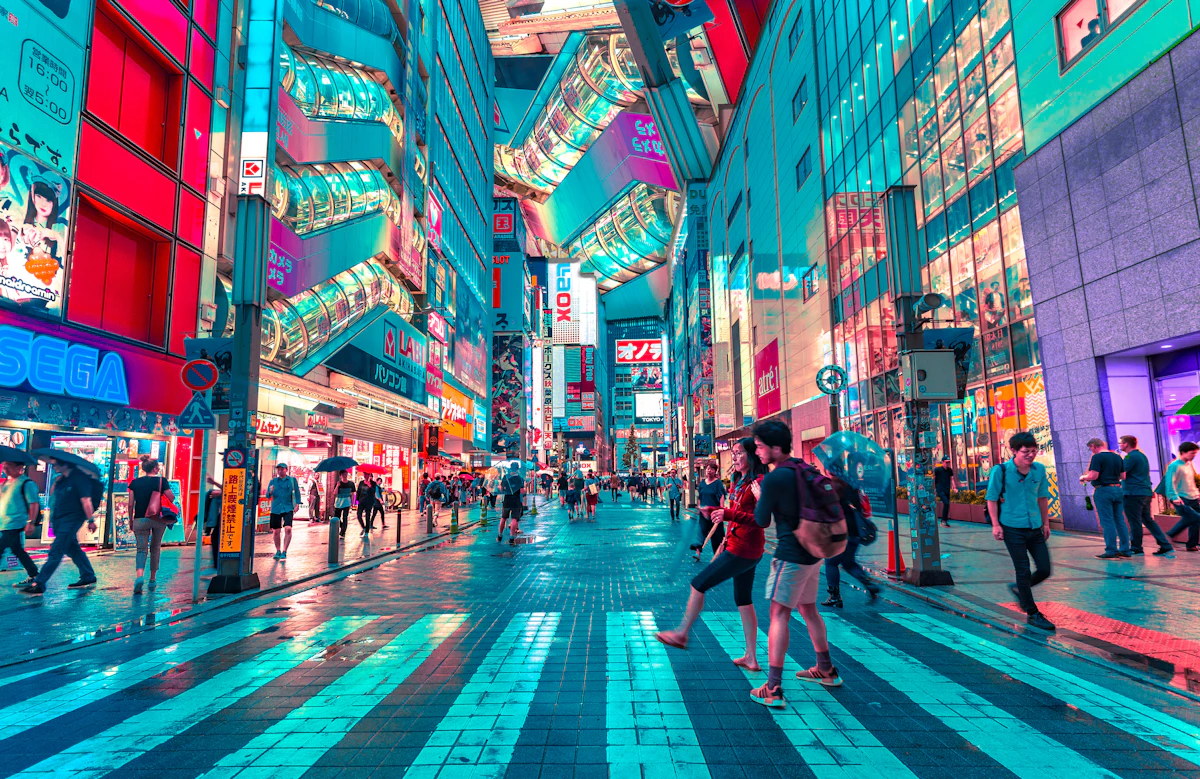
Hotels during cherry blossom season in Tokyo command prices two to three times higher than the same rooms in February. Flights are at full capacity from mid-March to late April. The major hanami (flower-viewing) parks are crowded from opening until well after dark. Restaurants without reservations have waits that make spontaneous dining impractical. None of this is reason not to go — it is reason to plan with considerably more lead time than a normal trip requires.
Book accommodation six to eight months in advance. The best options at reasonable prices disappear first: the small ryokan in Yanaka, the apartment in Shimokitazawa, the business hotel near Ueno whose location becomes strategic during sakura season because Ueno Park is one of the most famous hanami sites in the city. Booking through the hotel directly rather than through an intermediary removes the buffer between you and the hotel's management of peak-season logistics.
The parks worth knowing beyond the famous ones: Koganei Park, west of the city, has over 1,700 cherry trees and a fraction of Shinjuku Gyoen's visitor numbers. Koenji, the neighbourhood rather than the park, has a canal lined with cherry trees that locals use for hanami without the crowds that the designated parks generate. Chidorigafuchi, the moat around the Imperial Palace, is photographed for the boats drifting under the overhanging branches and is best seen — predictably — at first light before the boat hire opens.

The risk of cherry blossom season is that the sakura becomes the entire itinerary. Tokyo in spring is extraordinary independently of the blossom: the markets are stocked with the first of the season's vegetables, the galleries have their spring exhibitions, the city has emerged from winter in the way that northern cities emerge from winter — with a specific energy that is not available in any other month.
Tsukiji outer market in the morning, after the fish market moved to Toyosu, remains the best concentrated food experience in Tokyo: the ramen shops that have been open since four in the morning, the tamagoyaki (rolled omelette) stalls, the tea shops with grades that require explanation and reward patience. Yanaka, the old shitamachi neighbourhood that survived both the 1923 earthquake and the Second World War bombing, is the Tokyo that looks most like the city looked before the twentieth century reshaped it. The temples, the small shotengai (shopping street), the cemetery with its extraordinary stone lanterns — this is a Tokyo that the sakura crowds have not yet fully discovered.
The reservation problem during sakura season is real. Restaurants that are bookable three days in advance in February require three weeks in March and are fully committed by mid-April. The solution is a two-tier approach: make two or three advance reservations for the restaurants that require them — the yakitori counter in Shinjuku, the kaiseki restaurant recommended by the hotel, the ramen shop with the three-month waitlist — and fill the rest of the schedule with the category of Tokyo eating that requires no reservation and delivers disproportionate pleasure.
That category is vast. The depachika — the basement food halls of the major department stores — constitute a form of food culture that has no equivalent outside Japan. The level at Isetan in Shinjuku, or at Takashimaya in Nihonbashi, contains every form of Japanese sweet and savoury in presentation of such precision and beauty that the selection problem is pleasurable rather than stressful. Buy several things. Eat them in the park. This is both the most practical and the most Tokyo thing you can do with a lunch during sakura season.
The convenience stores — 7-Eleven, Lawson, FamilyMart — are not a compromise in Japan. They are a genuine food option: onigiri made fresh that morning, sandwiches in packaging engineered to preserve texture, hot food counter with katsu and oden, a selection of hot drinks that outperforms most café menus. The triangular onigiri eaten on a park bench under cherry trees, with a can of canned coffee from the machine beside the convenience store entrance, is the lunch that costs four hundred yen and is remembered for the rest of the trip. Embrace it.
※ End of article

※ More in Travel

